Featured
The 3-Minute Rule for The Importance of Expert Financial ...
The Greatest Guide To Essential Things to Ask Prior to Co...

What Does Understanding Your 7 Expert-Approved Ways to Pa...
Excitement About Developing a Stable Budget for Permanent Stability
Table of Contents
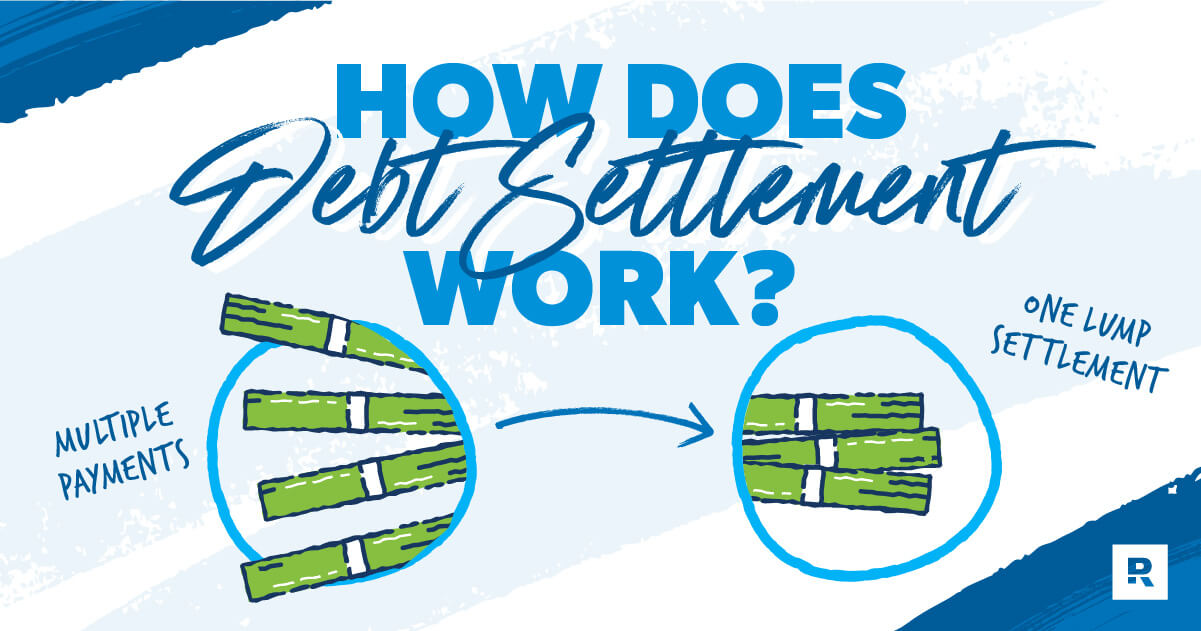
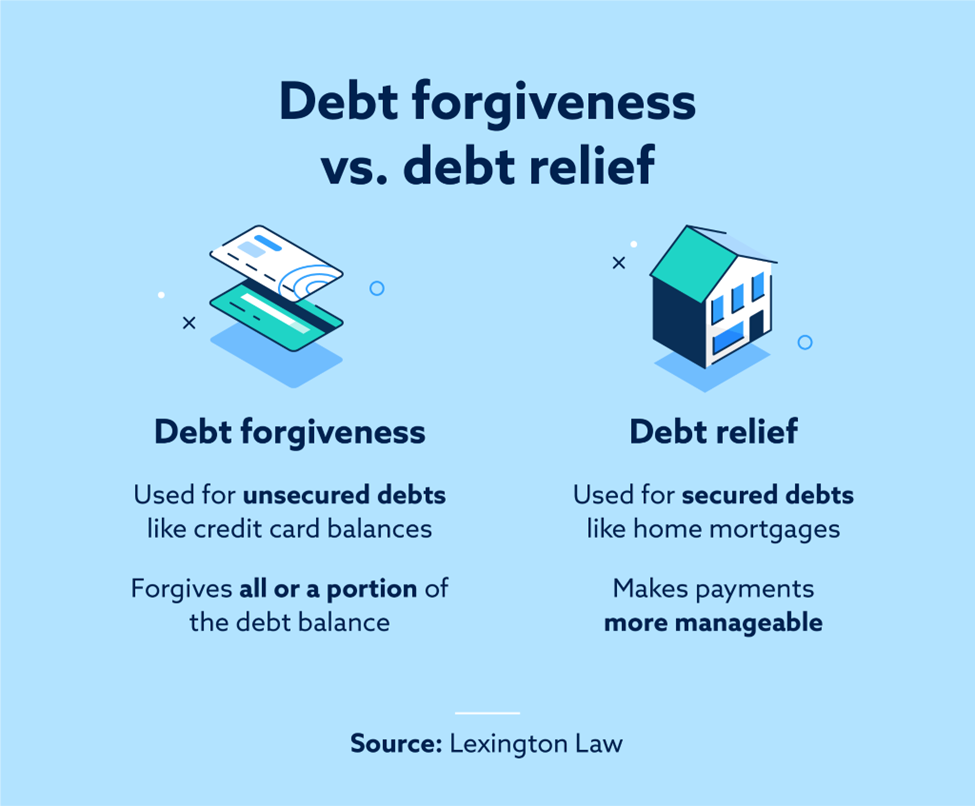
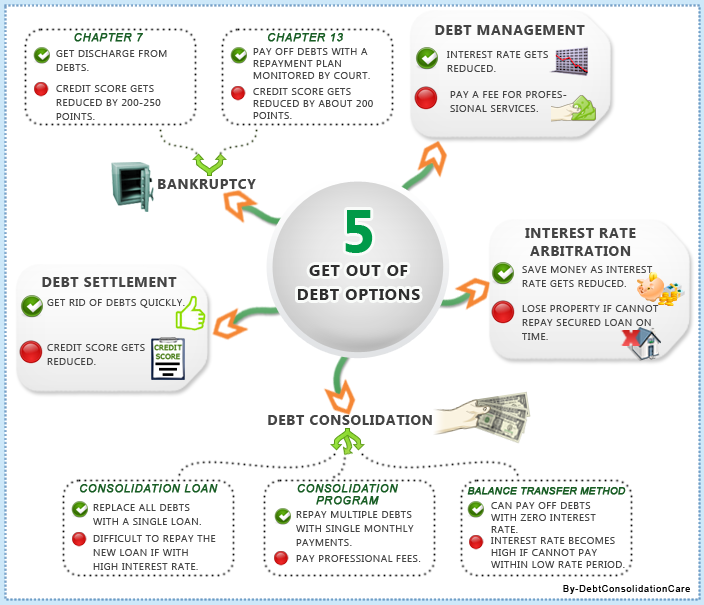
That maximizes money in the brief term, and you may have 3 to four years to conserve towards the settlement amount. Extremely harmful to credit history, primarily as a result of missed out on repayments and a negative "resolved" mark that might remain on your credit rating record for approximately seven yearsMay be only option if various other choices (debt combination, equilibrium transfer bank card, financial obligation mercy) aren't possibleTypically calls for a fee to the 3rd party, which could counter some or every one of the savings from financial debt settlementMay assist you avoid personal bankruptcy if you've missed out on several paymentsNot all creditors collaborate with financial debt settlement companies Financial debt mercy might be right for you if you are experiencing a monetary hardship that makes it virtually difficult to pay for your debt equilibriums.
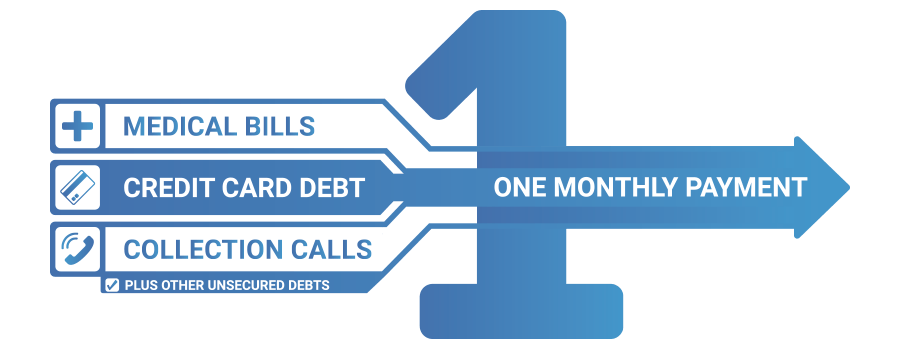
With a DMP, you make one regular monthly settlement to the credit report counseling agency. Those funds are after that dispersed to lenders of your unsecured financial obligations, such as charge card and installment financings. The firm collaborates with your lenders to minimize rates of interest or forgo costs, however some financial institutions may decline such giving ins.
A financial obligation loan consolidation funding combines your eligible debts right into one new car loan. It can aid you pay for debt if you're able to secure a funding price that's lower than the average price of the accounts you're settling. However, you need to avoid acquiring financial debt on those recently cleared accounts or your financial obligation might grow even greater.
That gives you lots of time to remove or considerably decrease your equilibrium while making interest-free payments.
The Best Guide To Everything Must Prepare For During the Bankruptcy Experience
You may require it if your lender or a collection firm ever tries to collect on the financial debt in the future. The letter might confirm you don't owe what the collection company's records reveal. Yes, in many cases, the IRS considers forgiven financial debt as gross income. When a lending institution forgives $600 or even more, they are needed to send you Kind 1099-C.
Financial obligation mercy or settlement generally injures your credit report. Anytime you settle a debt for much less than you owe, it might look like "cleared up" on your credit score record and affect your credit report for 7 years from the date of negotiation. Your credit report can also drop significantly in the months causing the mercy if you fall back on payments.
APFSC Approach with Families Can Be Fun For Anyone
This circumstance frequently results from underreporting earnings, not filing returns on time, or discrepancies found throughout an Internal revenue service audit. The repercussions of gathering tax financial debt are major and can include tax liens, which give the Internal revenue service a lawful case to your residential or commercial property as security for the financial obligation.
Greater rate of interest prices on offered credit score. Wages and Financial institution Accounts IRS can levy (confiscate) wages and financial institution accounts to please the debt. Minimized income and disturbance of vital economic procedures. Home Seizure In extreme cases, the internal revenue service can confiscate and market residential or commercial property to cover the debt. Loss of valuable properties and prospective variation.
Clinical depression, anxiousness, and various other mental wellness concerns. Social Stigma Encountering lawsuit from the IRS can lug social preconception. Damage to credibility and connections. Work Opportunities An inadequate credit rating as a result of tire financial debt can restrict employment possibility. Trouble finding or keeping a job. Federal government Advantages Tax obligation financial debt may influence qualification for federal government advantages, such as Social Protection and Medicaid.
How Monetary Consequences the Investment of Debt Forgiveness Programs can Save You Time, Stress, and Money.
The OIC considers several aspects, including the taxpayer's earnings, expenditures, possession equity, and capacity to pay. Efficiently negotiating an OIC can be complex, needing a thorough understanding of the internal revenue service's standards and a solid disagreement for why your deal aligns with your ability to pay. It is very important to note that not all applications are accepted, and the procedure requires in-depth economic disclosure.
The IRS assesses your general financial situation, including your earnings, expenses, property equity, and capability to pay. You must additionally be existing with all filing and repayment needs and not be in an open insolvency proceeding. The internal revenue service additionally considers your compliance history, evaluating whether you have a document of timely filing and paying tax obligations in previous years.
About Lasting Impact of Women in the Armed Forces: Courage Beyond Limits Choices
The application process for an Offer in Concession includes numerous detailed actions. You must complete and submit IRS Form 656, the Offer in Concession application, and Form 433-A (OIC), a collection information declaration for individuals. These forms require comprehensive monetary details, including information concerning your earnings, financial obligations, expenses, and possessions.
Back tax obligations, which are unpaid tax obligations from previous years, can dramatically increase your overall IRS debt if not dealt with promptly. This debt can accrue interest and late settlement charges, making the initial quantity owed a lot larger in time. Failing to pay back taxes can result in the IRS taking enforcement actions, such as providing a tax lien or levy against your residential property.
It is vital to address back tax obligations as soon as feasible, either by paying the complete quantity owed or by preparing a layaway plan with the IRS. By taking aggressive actions, you can prevent the buildup of added interest and charges, and avoid much more aggressive collection activities by the internal revenue service.
One usual reason is the belief that the taxpayer can pay the sum total either as a round figure or via a repayment plan. The IRS likewise considers the taxpayer's income, costs, property equity, and future earning potential. If these variables indicate that the taxpayer can afford to pay more than the offered amount, the IRS is likely to decline the deal.
Creating Post-Debt Financial Plan for Long-Term Success Things To Know Before You Buy
It is crucial to provide precise and complete details in your application and to consult with a tax obligation specialist to enhance the opportunities of acceptance. Dealing with IRS debt can be intricate and challenging. Tax obligation experts, such as Certified public accountants, tax lawyers, or signed up representatives, can provide invaluable assistance. They have the know-how to browse the ins and outs of tax law and IRS treatments.

Table of Contents
Latest Posts
The 3-Minute Rule for The Importance of Expert Financial counseling for veterans in California facing high rent and everyday living costs
Top Guidelines Of Pricing Clarity to Avoid
The Greatest Guide To Essential Things to Ask Prior to Committing
More
Latest Posts
Top Guidelines Of Pricing Clarity to Avoid
The Greatest Guide To Essential Things to Ask Prior to Committing